How construction loan draws work
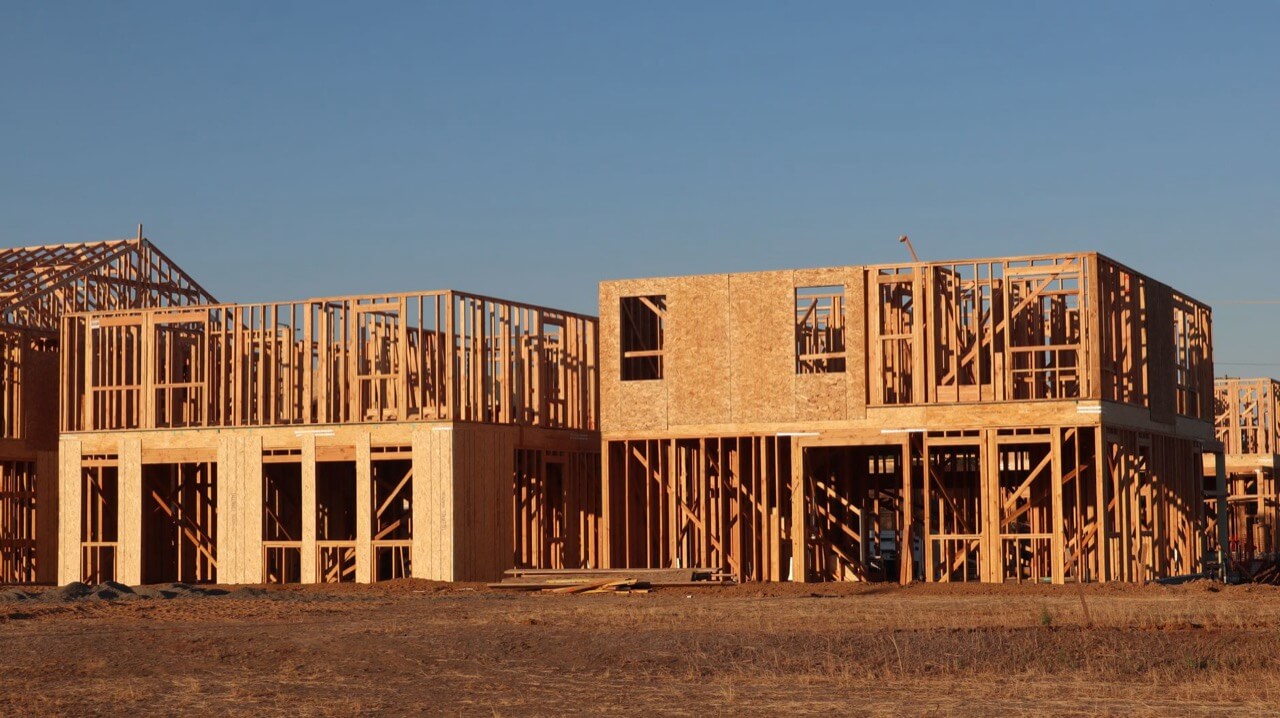
A construction loan draw is a request to release part of the loan proceeds as a project reaches agreed milestones. Rather than receiving the full amount upfront, funds are generally disbursed in stages as work progresses and the lender reviews each request. In Costa Mesa, planning the draw sequence alongside permitting and inspection steps can help connect the financing plan to the build schedule.
When you are managing a project, one of the harder parts can be coordinating contractor payments with lender review. You may be concerned about a bill coming due before a draw is approved, or about a request being held up because the work or paperwork is not ready to verify. I find it helpful to map out who handles each step, what evidence the lender expects, and how much flexibility your cash plan has if the timing shifts.
A draw is a request for a portion of construction loan proceeds tied to project costs and progress. The lender generally does not release the full construction amount at closing; instead, funds may be made available in installments after you submit a request and meet the applicable requirements. A draw schedule can connect expected costs to stages such as site work, foundation, framing, mechanical systems, and finish work. It is a planning tool, not a promise of a release date: every request remains subject to the loan terms and lender review.
Requirements vary by lender and loan program. Before construction begins, confirm which records are required, whether a site review is part of the process, how changes to the approved budget are handled, and what review period to plan around. An invoice alone does not mean funds are ready for release.
Questions about your situation?
Talk it through with a loan officer who knows this market. No forms and no pressure.
For Costa Mesa builders coordinating payments and reviews
If you are managing a build, the pressure point is often timing: a contractor payment may come due while a draw request is still being reviewed. A clear handoff among you, your contractor, and the lender—and a cash plan that can absorb a timing shift—can make the process easier to manage. For a Costa Mesa project, coordinate the proposed draw sequence with permitting and inspection steps, then confirm the lender’s requirements for your specific construction loan.
Use Costa Mesa values to frame the project budget
Local values help put the project’s budget and potential finished property in context; they do not determine what a lender will approve for construction draws. Costa Mesa’s starter home value was $1,014,854 in September 2026, according to Zillow Research, while the city’s home value was $1,419,109 in September 2026, according to Zillow Research. Compare your projected costs and financing needs with the property and plan you actually have, rather than treating either market figure as a guaranteed sale price or loan amount.
Account for local carrying costs and rental assumptions
If your project analysis depends on rental income or a hold period, test those assumptions separately from the draw schedule. Costa Mesa rent was $3,121 in September 2026, according to Zillow Research, and the city’s price-to-rent ratio was 37.89 in September 2026, derived from Zillow Research. These figures can help frame a rent-versus-value discussion, but they do not establish your project’s achievable rent or operating costs. For additional local context, Orange County’s median property tax was $6,096 in 2023, according to the Census ACS 5-Year; include the property’s actual tax situation in your own budget.
Build timing buffers into a Costa Mesa project
A lender’s review schedule and a citywide housing statistic measure different things, but local market timing can still inform your broader project assumptions. Costa Mesa homes took 22 days to go pending in September 2026, according to Zillow Research. Do not treat that as a forecast for your completed project or as a draw-release deadline. Keep enough flexibility to cover expenses while a request is reviewed, especially if your plan depends on selling or refinancing after construction. I focus on comparing the quoted rate and loan costs with the draw process and projected build timeline, so you can evaluate the full financing picture—not just a headline rate.
What documents do I need to request a construction loan draw?
There is no single document list for every construction loan: the lender may require invoices, receipts, progress details, inspection findings, or lien waivers. In Costa Mesa, confirm the exact list and submission steps with your lender before work begins, and keep the records aligned with the contractor’s budget and approved plans. For context when reviewing the project’s scale, Costa Mesa’s home value was $1,419,109 in September 2026, according to Zillow Research; that market figure does not replace the lender’s project-specific documentation requirements.
Can a construction loan draw be delayed?
Yes. A request can be delayed, adjusted, or partly approved if required documents are missing, work cannot be verified, or costs differ from the approved budget. For a Costa Mesa build, do not rely on a particular release date to make a contractor payment; confirm submission cutoffs and review steps, and keep cash available for timing gaps. Costa Mesa homes took 22 days to go pending in September 2026, according to Zillow Research, but that market measure is not a lender’s draw-processing timeline or a promise about how quickly your completed property will sell.
Part of this series
The numbers behind this page
Every figure comes from public data on Costa Mesa, CA and Orange County. Each one names its source and the month it describes, so you can check it yourself.