
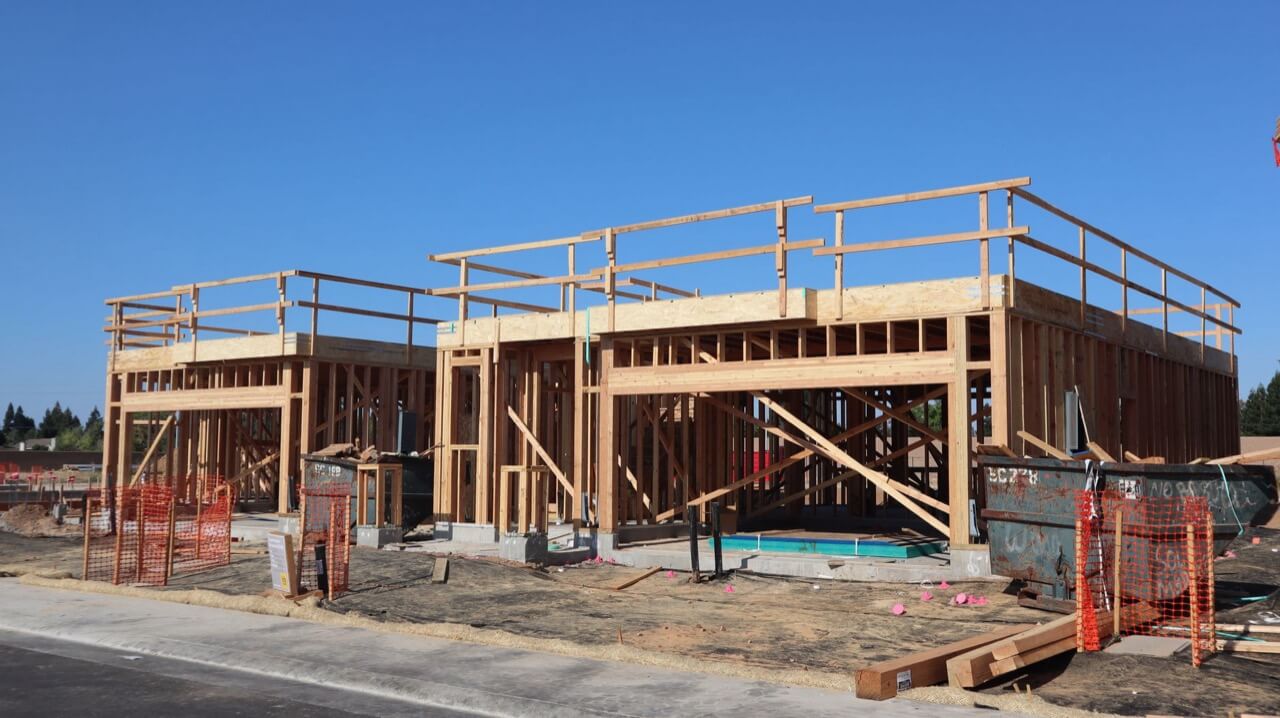
How a residential construction loan works
A residential construction loan can finance eligible costs to build or substantially improve a property. Rather than releasing the full amount at once, many construction loan structures use staged draws. As work reaches agreed milestones, the borrower or contractor requests a draw, and the lender reviews required documentation—often including an inspection—before releasing funds. The schedule, required records, and eligible costs depend on the lender and project.
Before financing can be evaluated, the project needs a clear plan: a defined scope, detailed budget, plans and specifications, permit status, builder or contractor information, expected schedule, borrower contribution, and an exit or hold strategy. The lender may assess the borrower’s financial profile as well as the project’s feasibility and proposed value when complete. Cash contribution, reserves, draw procedures, and loan terms vary with the lender, property, and project.
Construction-period financing is not necessarily the same as the financing you will use after the work is complete. Some projects may transition to longer-term financing; others require a separate refinance or a sale to repay the construction loan. If you plan to rent the property, consider how and when permanent financing could fit. If you plan to sell, account for completion and marketing time and costs. Confirm the exit plan before relying on construction financing.
An investment-property construction loan in California is not one uniform product. Requirements can differ for ground-up construction versus substantial renovation, intended use, and the borrower’s experience and financial position. Qualification and funding are subject to credit approval, property review, and program guidelines. I evaluate the financing request alongside the proposed project and its intended exit, rather than treating the construction loan as a standalone number.
Questions about your situation?
Talk it through with a loan officer who knows this market. No forms and no pressure.
Who this financing may fit in Costa Mesa
If you are weighing a site or redevelopment opportunity in Costa Mesa, you are likely testing the deal from several directions at once: acquisition basis, construction budget, available capital, schedule, and the likely rental or resale plan. The challenge is not just finding financing; it is deciding whether the assumptions still make sense when you account for the work between purchase and completion. Pressure-test those pieces before committing rather than relying on a broad market impression.
The parcel and proposed build matter more than a citywide headline. Connect the actual site, plans, contractor pricing, and financing structure to your chosen hold or sale strategy. That can help you identify where a delay, revised scope, or different valuation assumption could change the project’s capital needs.
Costa Mesa’s home values are project context, not a valuation
Costa Mesa’s median home value is $1,419,109, according to Zillow Research, September 2026. Treat that as a broad market reference—not the value of your site, the completed project, or a substitute for property-specific valuation.
Separate the project’s value question from the citywide benchmark
The starter home value in Costa Mesa is $1,014,854, according to Zillow Research, September 2026. That gives a different market reference from the overall home value, but neither establishes what a particular renovated or newly built property will be worth. For a construction request, compare the planned finished product with relevant local properties and have the lender assess the property under its own review.
Do not use either citywide value as a stand-in for acquisition price, land value, or construction cost. The parcel, plans, features, and condition all matter; obtain property-specific acquisition details and itemized contractor bids.
What I see in this market
I bring a unique perspective to the construction loan landscape in Costa Mesa, drawing on my local market expertise and a commitment to closing loans quickly. My experience since 2016 has equipped me with a deep understanding of various loan programs, including construction loans, which can be tailored to fit the specific needs of residential property developers. I focus on providing precise, data-driven insights to help clients navigate their financing options effectively. My goal is to make the process as smooth and efficient as possible, ensuring that you have the support you need every step of the way.
Test rental assumptions against Costa Mesa evidence
Costa Mesa rent is $3,121, according to Zillow Research, September 2026. Use it as local context when building a rental scenario, not as a promise of achievable rent for your completed property. Compare it with evidence for similar units and account for operating expenses, financing costs, construction time, and lease-up.
Orange County’s rental vacancy rate is 4.39%, according to Census ACS 5-Year, 2023. This historical, area-wide estimate is not a forecast for a particular unit or a guarantee of occupancy. Keep the project’s vacancy assumption tied to the property and test what happens if leasing takes longer than expected.
Build timing into the exit plan
Costa Mesa properties take 22 days to pending, according to Zillow Research, September 2026. That market measure is not a prediction of when your completed project will sell. Your schedule also has to allow for construction, required approvals, and preparation for sale. Compare the loan term and repayment plan with that full timeline, not just a typical marketing window.
Map expected draws against contractor payment dates and identify how you will cover costs that come due before funds are released. Then test the budget and exit plan against delays, revised scope, and different sale or rental assumptions. When I review a Costa Mesa construction file, I check the parcel’s location against the proposed use and compare the project’s cost, value, and rent assumptions with available local evidence, then flag what the team still needs to verify.
Can I finance a teardown and rebuild?
A teardown and rebuild may be considered under a construction financing structure, but eligibility, the costs that can be financed, and draw requirements depend on the lender and project. In Costa Mesa, compare the actual parcel and proposed finished home with local market context: the median home value is $1,419,109, according to Zillow Research, September 2026. That citywide figure does not establish the completed value of your project; plans, costs, permits, and property review matter.
How is the value of a home determined before renovation?
For a construction loan, the lender may review the project’s proposed value when complete, alongside the property and project details; the valuation process and evidence depend on the lender. In Costa Mesa, the starter home value is $1,014,854, according to Zillow Research, September 2026, while the median home value is $1,419,109, according to Zillow Research, September 2026. Those are market context, not an appraisal or a prediction of your renovated home’s value. Use comparable properties that match the planned finished product.
Can I finance the land purchase and home construction together?
Whether acquisition and construction can be financed together depends on the lender, the proposed loan structure, and the project; do not assume every purchase or project cost is eligible. In Costa Mesa, the median home value is $1,419,109, according to Zillow Research, September 2026, but that is not a land-price estimate or a substitute for the actual acquisition price. Build the request from parcel-specific purchase details, plans, and itemized construction costs.
In this series
The numbers behind this page
Every figure comes from public data on Costa Mesa, CA and Orange County. Each one names its source and the month it describes, so you can check it yourself.